

Dropshipping Products That Work in 2026 — And Business Model Mistakes Costing You Margin
12 March 2026
Anna P.
21 minutes
Most guides to dropshipping products are lists dressed up as strategy. They tell you what's selling on TikTok this week, hand you a Shopify store template, and leave you to figure out why the margins evaporated by month three.
This isn't that guide.
In February 2026, search data, social media trends, and real sales data across high-volume dropshipping operations converged on a set of findings that should reframe how you think about product selection. The brands building a profitable dropshipping business right now aren't the ones chasing viral products the hardest. They're the ones who've figured out which product categories carry structural advantages — in shipping costs, in perceived value, in repeat purchase behavior — and built their execution around those advantages.
What follows is a deep look at the trending dropshipping products that are delivering consistent returns in 2026, why they work on a unit economics level, and what execution mistakes are silently draining margin from stores that have otherwise done everything right.
A note that shapes every category below: 2026 is the first year product selection has to account for import duty on low-value parcels. The US ended its $800 de minimis exemption, so goods shipped direct from overseas suppliers now carry duty they didn't before. That change rewards exactly the product profile this guide already argues for — high perceived value relative to cost, and sourcing that keeps landed cost predictable — and it penalizes cheap, thin-margin items sourced direct from China. Read the categories with that lens.
Why Most Dropshipping Product Lists Are Wrong From the Start
The dominant product research method in dropshipping is reactive: watch Google Trends, monitor TikTok, scroll bestselling products on competitor stores, and move fast. This model isn't wrong — social media trends and search queries are genuinely useful signals — but it produces a specific failure mode that most new operators don't see coming.
By the time a product is visible on Google Trends and being recommended in dropshipping communities, margin compression has usually already started. The reliable suppliers are overwhelmed with new merchants, shipping times begin to stretch, and price competition drives product costs up while customer price expectations stay flat. The window between "This product is trending" and "This product is commoditized" has shortened considerably. In 2025, for many viral products, that window was under 90 days.
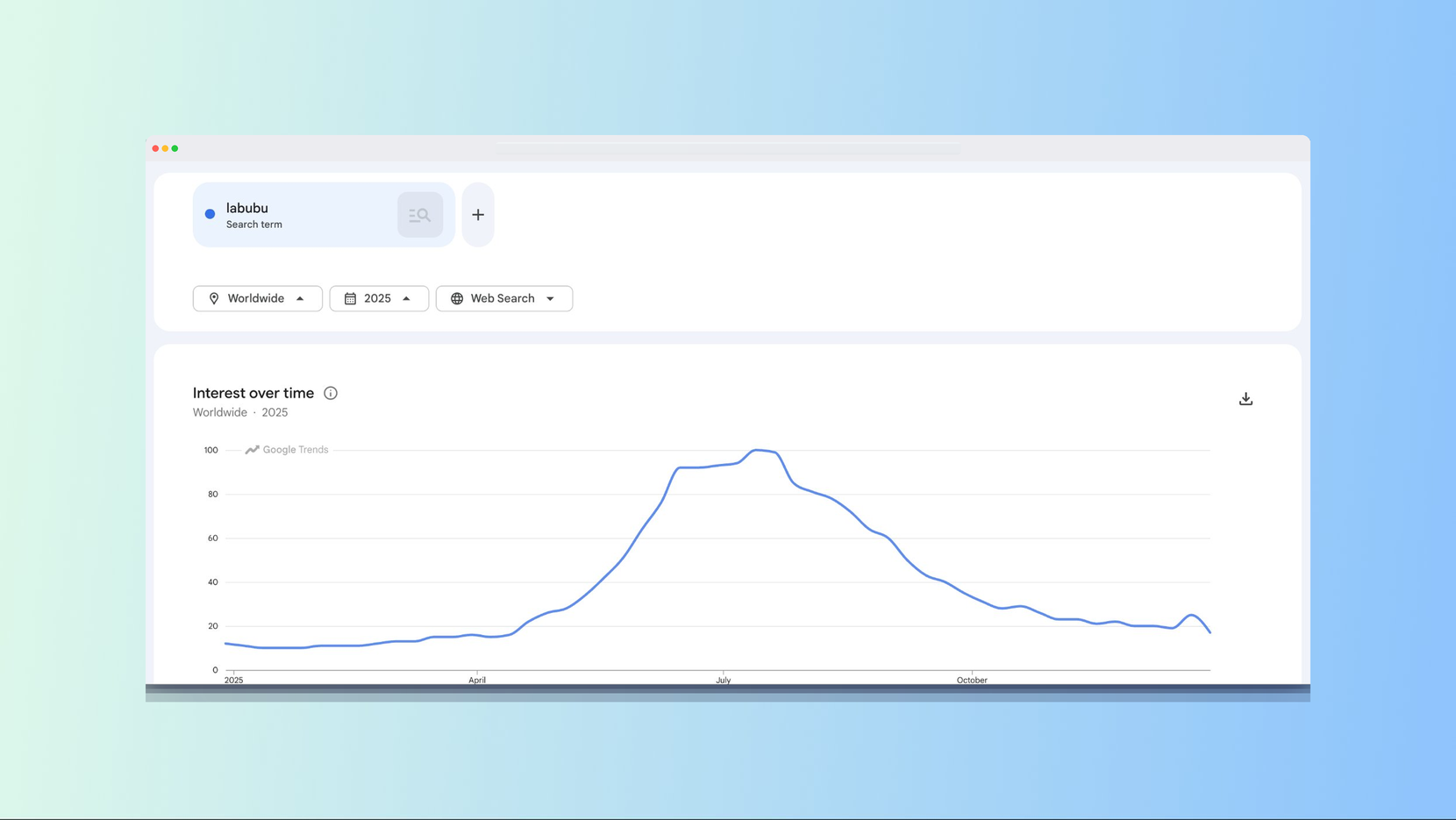
Source: Google Trends
The operators building durable dropshipping stores in 2026 are applying a different filter. Instead of asking "What's trending right now?", they're asking "What categories have structural demand characteristics that make them reliably profitable over twelve months?" The answer to that question looks different from any given week's TikTok trending page — and it's more actionable.
There are four structural characteristics that predict dropshipping profitability more reliably than any trending indicator:
1. Consistent Demand, Not Spike Demand
Products with year-round search volume outperform viral products over time, even if the short-term revenue potential looks lower. Consistent demand means your marketing efforts compound. Your organic rankings build. Your customer support processes get refined. Spike demand means you're rebuilding from scratch every product cycle.
2. High Perceived Value Relative to Product Costs
This is the margin driver that most product research tools don't surface directly. A product that retails for $45 and costs $9 to source has an entirely different business profile than one that retails for $45 and costs $28. The best dropshipping categories are ones where the customer's willingness to pay is decoupled from the underlying manufacturing cost — where branding, presentation, and positioning create strong perceived value. This filter matters even more now that duty applies: a product with a wide gap between cost and price absorbs an import duty comfortably, while a thin-margin item can be pushed underwater by it.
3. Low Shipping Costs Relative to Product Price
Global shipping economics punish heavy, large, fragile products. The most profitable dropshipping products are typically compact, lightweight, and durable. Low shipping costs aren't just a margin issue — they're a conversion issue. Unexpected shipping costs are one of the top reasons for cart abandonment. (DHL)
4. Reliable Supplier Availability
Trusted suppliers with consistent stock, real product quality controls, and honest shipping times are genuinely scarce. Categories served by a deep supplier ecosystem — not just one or two dominant providers — give you leverage and backup options. In 2026 add one more supplier attribute to weigh: where they fulfill from. A supplier with US or EU warehousing lets you clear duty in bulk and ship domestically, rather than paying duty on every individual parcel from overseas.
With those filters in place, here is where the strongest opportunities sit in 2026.
Read more: Graypoplar Dropshipping: Trend Analysis, Logistics & Funnel Strategy
Dropshipping Products With the Strongest Economics Right Now
Each category below was evaluated against the same four filters: consistent demand, high perceived value relative to product costs, low shipping costs, and reliable supplier availability. These aren't the flashiest trending products, but they're the ones with the strongest fundamentals for building a business that lasts past month six.
Pet Products and Pet Accessories
The pet market may be the single most reliable category for a profitable dropshipping business in 2026. Pet owners in the US, UK, Germany, Canada, and Australia collectively spend more on their animals than most other consumer categories, and the data shows that pet spending is highly recession-resistant — owners cut discretionary spending on themselves before they cut it on their pets. (Pet Food Industry)
Within pet supplies, the products with the best unit economics for dropshipping are accessories and enrichment products: interactive toys, slow-feeder bowls, harnesses, grooming tools, orthopedic beds, and car travel accessories for pets. These products have strong perceived value, low shipping costs due to compact sizing, and high market demand driven by the continued humanization of pets as family members.
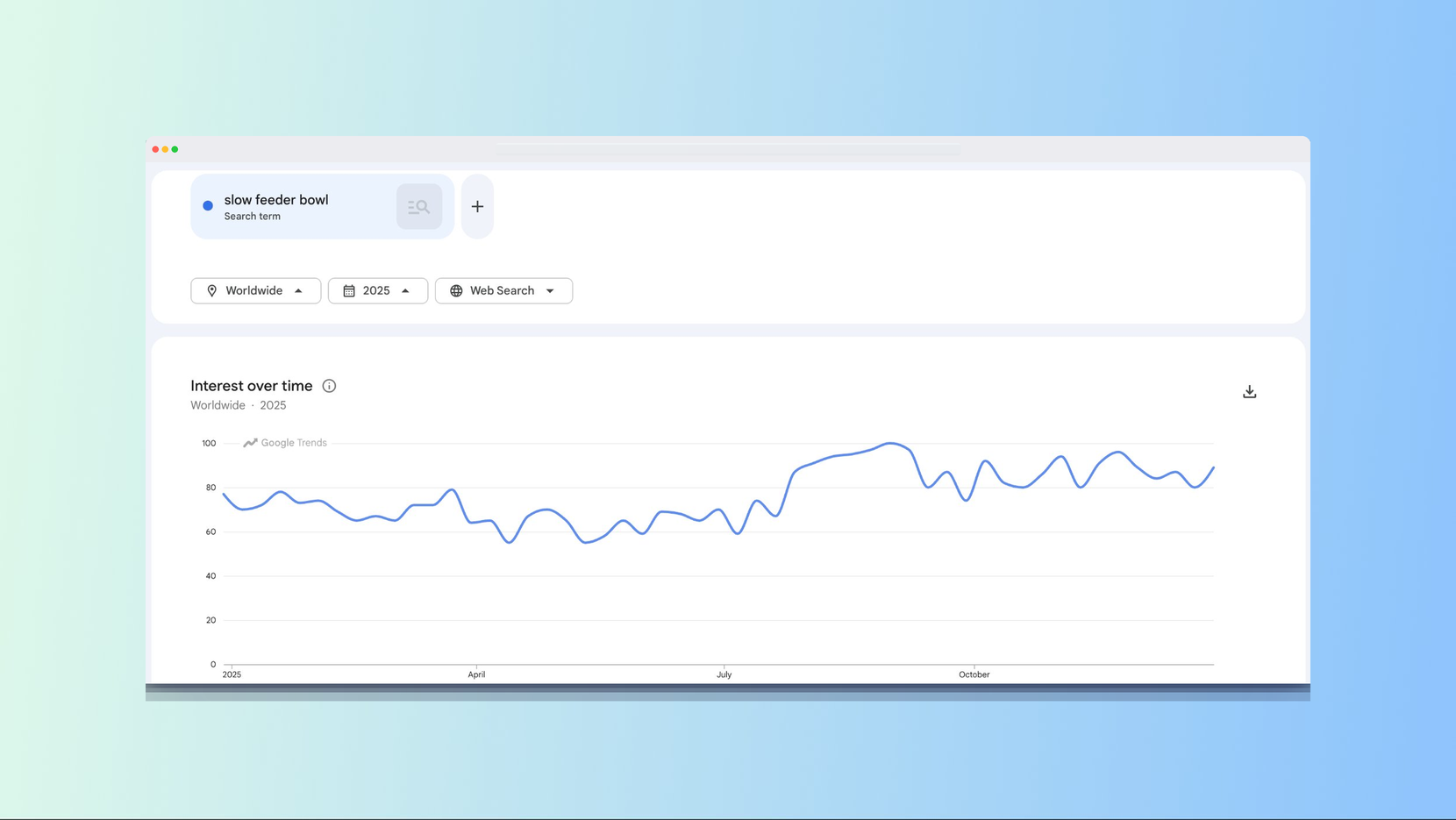
Source: Google Trends
Pet accessories also benefit from a specific social media dynamic: pet owners are among the most prolific content creators on Instagram and TikTok, which means visually appealing pet products generate organic social proof without requiring significant marketing spend. If your product is photogenic and solves a real problem for pet owners, the distribution mechanisms are already there.
The key execution consideration in pet products is product quality. Pet owners are protective consumers. A low-quality dog harness or a poorly designed cat toy generates returns, negative reviews, and chargebacks at a rate that makes the initial margin irrelevant. In this category more than almost any other, working with reliable suppliers who provide real product testing documentation is non-negotiable.
Specific products with strong current demand: orthopedic dog beds, cat wall-mounted climbing furniture, pet grooming gloves, slow-feeder puzzle bowls, GPS-enabled pet trackers, portable water dispensers for travel, and anxiety-relief wraps for dogs.
Phone Accessories
Phone accessories represent one of the most consistent demand categories in e-commerce history, and 2026 is no exception. Every major phone release — and there are several per year across Apple, Samsung, and Google — creates a fresh wave of accessories demand. Screen protectors, cases, charging cables, wireless chargers, ring lights for content creation, and MagSafe-compatible accessories all follow predictable demand curves that experienced operators know how to anticipate.
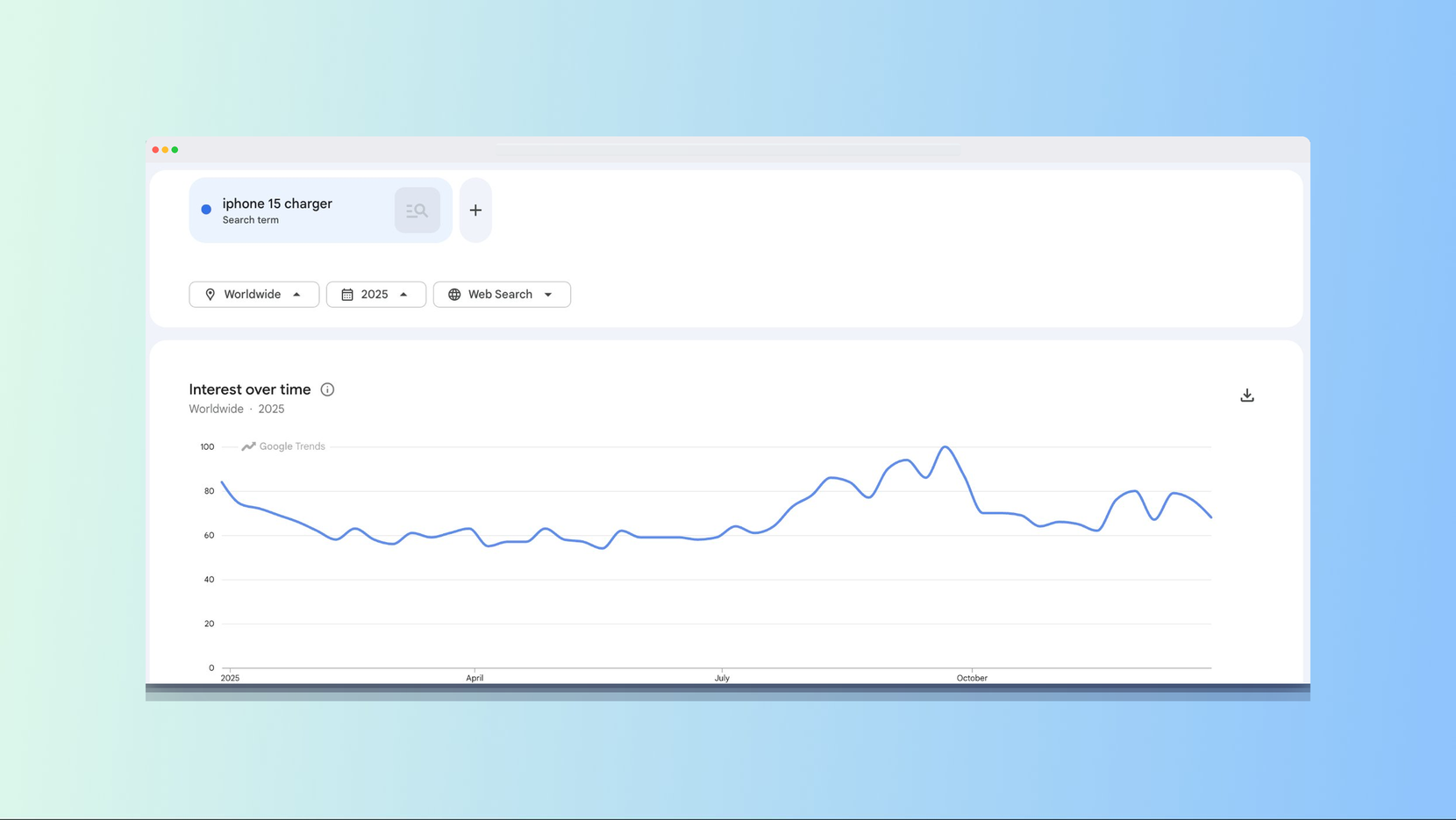
Source: Google Trends
The structural advantage of phone accessories for dropshipping is the combination of low shipping costs, high purchase frequency, and an enormous market of potential customers. Nearly everyone owns a smartphone. The addressable market is essentially the entire adult population of any country you're selling to.
This category needs a 2026 caveat, though, because it is the one most exposed to the end of duty-free imports. Cheap, generic phone accessories sourced for a dollar or two direct from China are precisely the low-cost items that import duty hits hardest — the added duty can erase the entire margin on a $2 case. The good news is that the article's own perceived-value filter already points to the fix: the winning play here in 2026 is the premium, specific end of the category, or sourcing through a supplier with local fulfillment so you are not paying duty parcel by parcel.
The challenge in phone accessories is that it's one of the most competitive dropshipping categories, which means differentiation at the product and presentation level matters. The operators winning in this space in 2026 are not selling generic cases — they're curating products with specific aesthetics, targeting specific phone models on release cycles, and building collections rather than one-off SKUs.
Screen protectors and MagSafe accessories in particular have maintained healthy margins because of high product specificity — a screen protector that fits the iPhone 17 Pro precisely has a smaller competitive field than a generic wireless charger. That specificity also supports a higher price point, which is exactly what gives the margin room to absorb duty. Product research that follows device release calendars, rather than just Google Trends, is producing better results in this category.
Specific products with strong current demand: MagSafe wallet attachments, tempered glass screen protectors (model-specific), portable ring lights with phone mounts, braided charging cables, lens kits for smartphone photography, and car vent mounts with wireless charging.
Car Accessories
Car accessories have quietly become one of the highest-margin categories in dropshipping, largely because the average order value is high and the market demand is massive — in the US alone, there are over 280 million registered vehicles, each representing a potential customer. (Statista)
The products performing best in this category are practical and visible: dash cams, car organizers, seat back protectors, trunk organizers, blind spot mirrors, and in-cabin LED lighting. These products film well for social media, solve real pain points, and carry strong perceived value because customers associate car-related purchases with quality and durability.
Dash cams in particular have seen consistent demand growth driven by rising awareness of their value for insurance claims. Reliable shipping is critical in this category because many car accessories are moderately heavy, and customers who purchase functional products for their vehicles have higher expectations for timely delivery than impulse buyers.
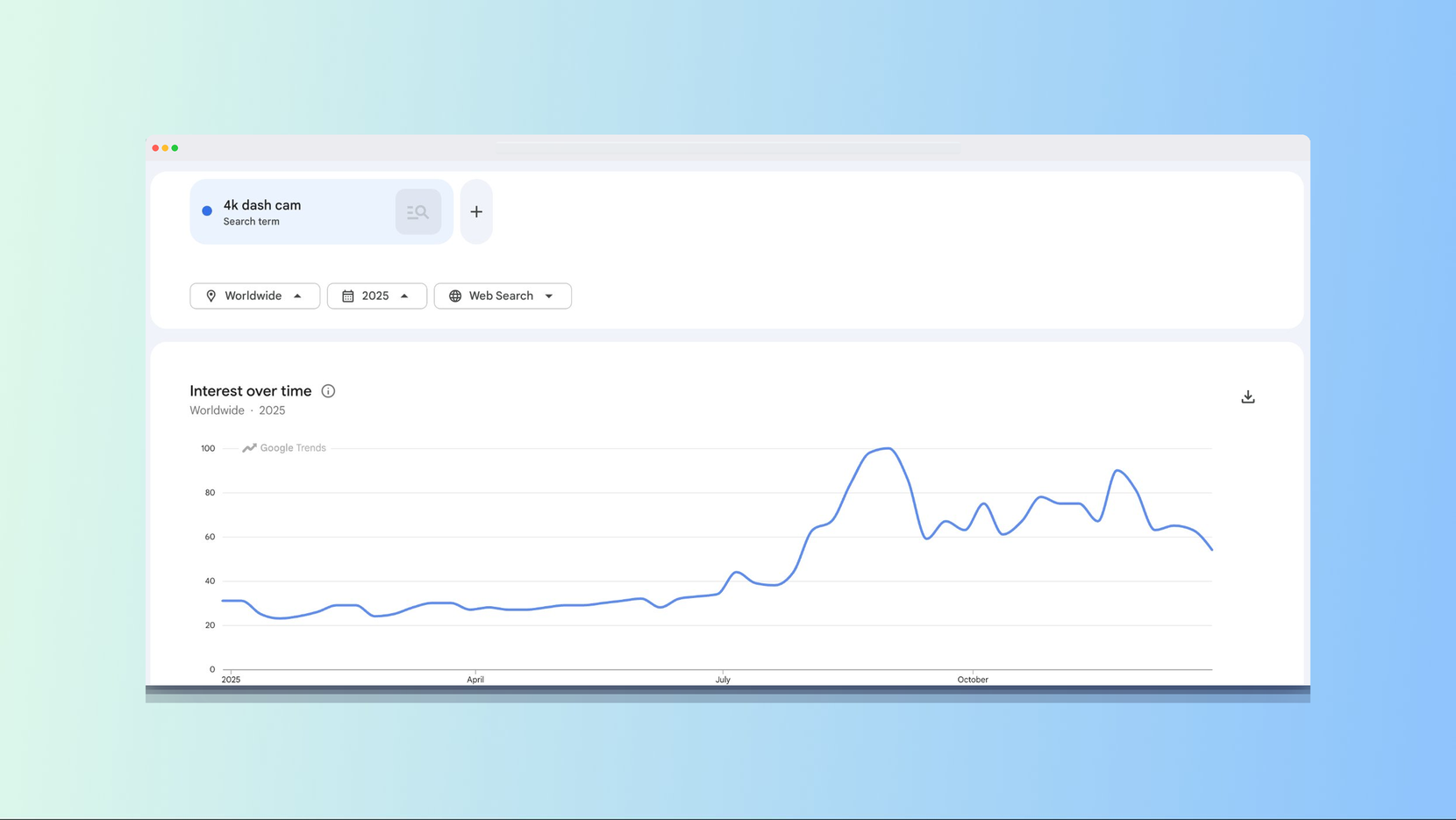
Source: Google Trends
The execution pattern that works in car accessories is tight audience targeting. Car enthusiasts, new car owners, parents with young children (car organizers, seat protectors), and commuters are all distinct segments with distinct product needs. Dropshipping stores that segment their marketing by vehicle type and use case are more likely to outperform stores that treat car owners as a monolith.
Specific products with strong current demand: 4K dash cams with parking mode, car trunk organizers, rear seat protectors for families with kids, car vacuum cleaners, blind spot mirrors, interior LED ambient lighting kits, and portable jump starters.
Smart Home Devices
Smart home devices sit at the intersection of high perceived value and consistent demand — a combination that produces strong margins when execution is right. Security cameras, smart plugs, LED smart bulbs, video doorbells, and home automation accessories have moved from early-adopter products to mainstream ones over the last three years, and market share is still growing.
The dropshipping opportunity in smart home is not in competing with Amazon's private label ecosystem or major brands like Wyze and Ring. It's in accessories and peripherals that complement existing smart home setups: mounting systems for security cameras, smart bulb bundles for specific room setups, hub accessories, and cable management solutions for smart device installations.
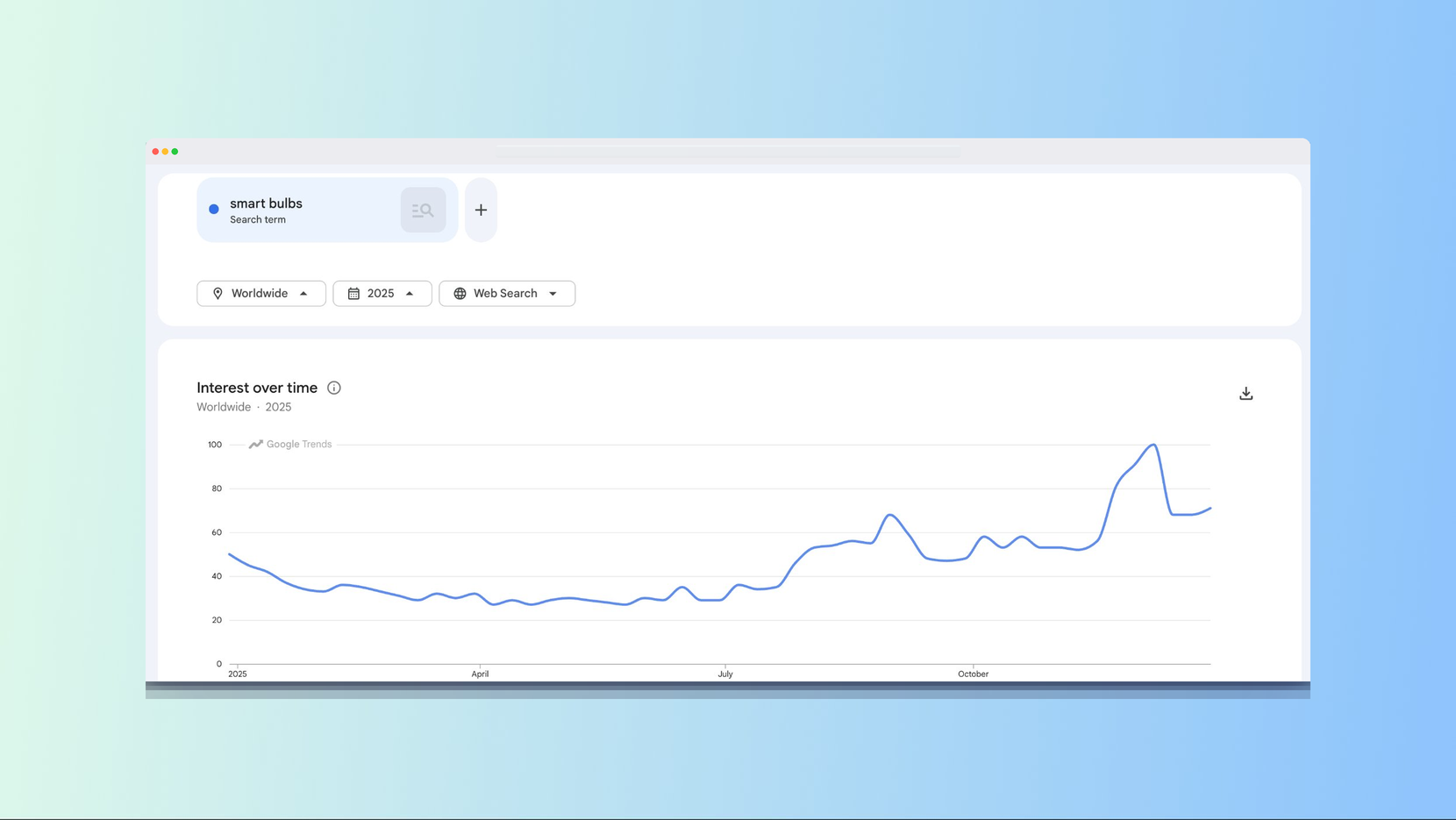
Source: Google Trends
The key dropshipping consideration in smart home devices is that product quality and reliable supplier relationships matter enormously. Electronics with poor quality control generate disproportionate customer support volume, and returns on electronics are expensive. Vetting your dropshipping supplier's quality documentation before scaling spend on any smart home product is not optional.
Specific products with strong current demand: outdoor wireless security cameras, smart LED strip lights, video doorbell accessories, smart plug 4-packs, motion sensor lights, cable management kits for smart home setups, and solar-powered outdoor camera mounts.
Skincare Products and Personal Care
The beauty market has been one of the fastest-growing e-commerce categories for the past decade, and skincare products specifically have maintained explosive growth driven by social media education, rising consumer sophistication about ingredients, and a demographic shift toward self-care spending.
For dropshipping, the skincare opportunity is most accessible in devices and tools rather than formulations. Skincare formulations involve regulatory complexity, potential allergen liability, and shelf-life logistics that create real operational challenges for dropshippers. Skincare devices — gua sha tools, facial rollers, LED light therapy masks, microcurrent devices, pore vacuum extractors, and dermaplaning tools — carry none of those complications and often have higher perceived value than the underlying product costs would suggest.
Foam rollers and personal care tools more broadly represent a category where the visually appealing presentation of the product, combined with before-and-after marketing, drives strong conversion. The beauty market rewards storytelling. Products that can be demonstrated visually, with clear before/after comparisons, consistently outperform products that require more explanation.
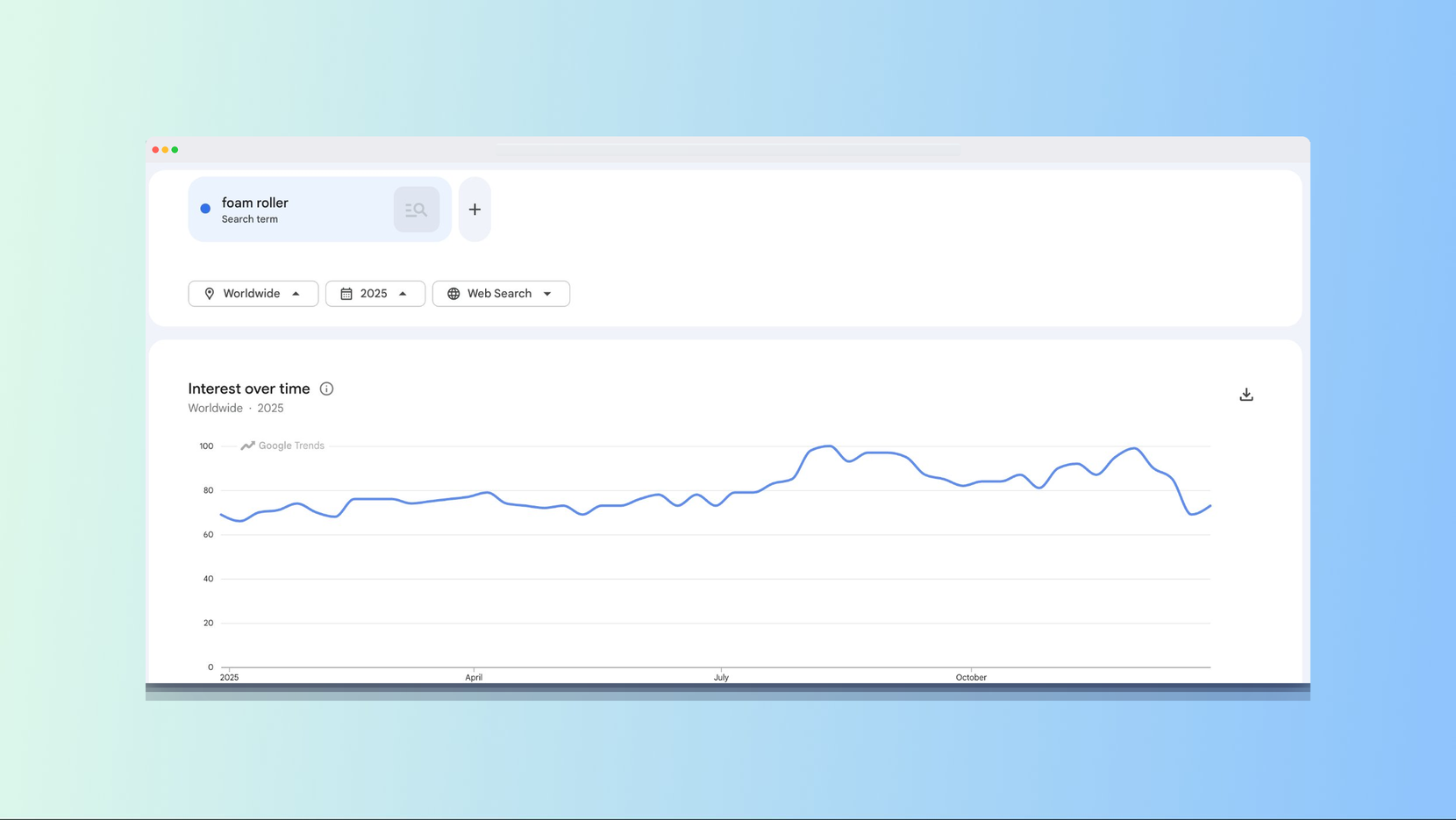
Source: Google Trends
The margin profile in personal care tools is among the strongest in dropshipping because the gap between manufacturing cost and retail price is large, and customer willingness to pay is driven by aspirational outcomes rather than comparative shopping on a commodity. A customer buying a $55 LED face mask is not price-shopping the way a customer buying a USB cable is. That wide cost-to-price gap is also what makes this category comfortably duty-resilient in 2026 — there is margin to spare.
Specific products with strong current demand: LED light-therapy face masks, microcurrent facial devices, gua sha and jade roller sets, pore vacuum extractors, electric facial cleansing brushes, at-home dermaplaning kits, scalp massagers, and cold-therapy eye masks.
Baby Products
Baby products occupy a unique position in the dropshipping market: the customer urgency is high, the purchase decision is driven by emotion and safety rather than price alone, and new parents represent a reliably replenishing customer base.
The products with the strongest dropshipping economics in this category are accessories and convenience items: diaper bag organizers, car seat accessories, baby feeding tools, white noise machines, swaddle blankets, portable changing mats, and baby monitor accessories. These products have strong perceived value, consistent demand, and an audience that is both reachable through social media targeting and primed to buy.
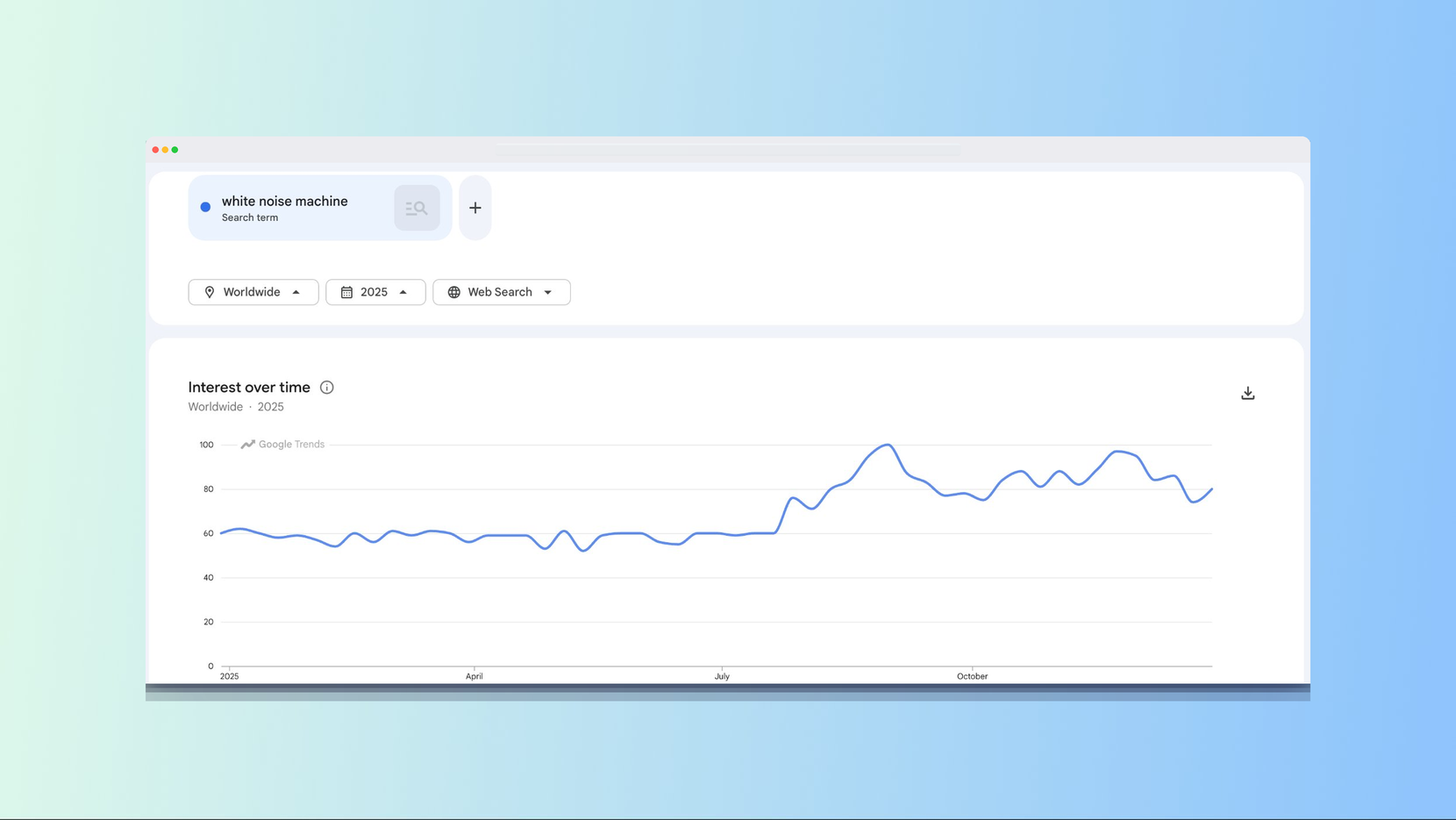
Source: Google Trends
The critical execution requirement in baby products is more stringent than in almost any other category: product quality is key, and your dropshipping supplier documentation on safety certifications needs to be genuine and current. Parents are the most vigilant consumer segment. A product quality issue in this category doesn't just generate a return — it generates a social media incident.
The upside of this high-quality bar is that it filters out the operators who are not willing to do proper supplier vetting, which means the competitive field in quality-positioned baby products is smaller than the raw market size would suggest.
Specific products with strong current demand: portable baby monitors with night vision, white noise machine/nightlight combos, clip-on stroller fans, baby food storage containers, portable bottle warmers, bath spout covers, and adjustable baby carriers.
Home Decor and Home Improvement
Home decor and home improvement accessories have emerged as one of the most fertile dropshipping categories of 2026. Remote work has sustained elevated interest in home environment improvement, and a housing market that has kept many consumers in their existing homes rather than moving has redirected renovation and decoration spending toward accessories and upgrades rather than furniture.
The products with the strongest margins in this category are decorative but functional: LED candles, wall-mounted organization systems, aesthetic storage solutions, tapestries and wall art, indoor plants and planter accessories, and accent lighting.
The defining characteristic of winning home decor products for dropshipping is that they are visually appealing in photographs and videos — products that are easy to showcase on social media platforms and that benefit from the lifestyle aspirations those platforms traffic in.
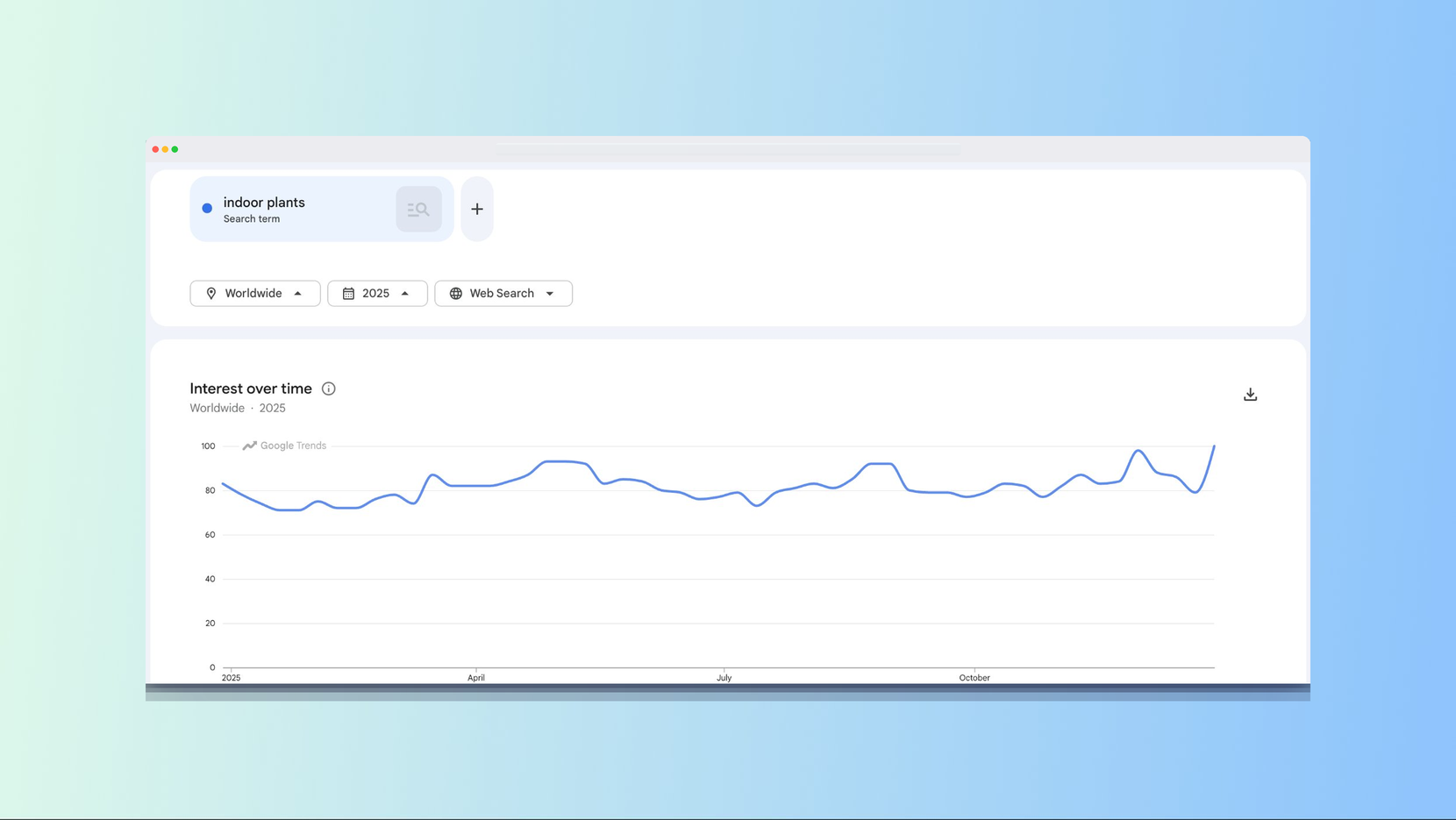
Source: Google Trends
Home improvement accessories — drill bit sets, tile adhesive products, cabinet hardware, under-sink organizers, magnetic door stops — are lower-glamour but carry consistent demand year-round. These products attract a buyer who is in active problem-solving mode, which means conversion rates are high when the product shows up in relevant search contexts.
Specific products with strong current demand: LED neon signs (custom and pre-designed), aesthetic wall-mounted shelving, minimalist pendant lights, under-cabinet LED lighting strips, expandable drawer organizers, geometric planter sets, and floating media consoles.
Read more: Digital Dropshipping: How to Sell High-Margin Products with Zero Inventory
Three Execution Mistakes That Are Quietly Draining Your Dropshipping Margins
Understanding which products to sell is only half the problem. The other half — the half that most dropshipping content ignores — is the execution layer that determines whether your gross margin survives to become net profit. Based on what we see across high-volume dropshipping operations, three execution failures account for the majority of recoverable lost revenue.
Shipping Costs That Appear After the Customer Has Committed
In dropshipping, the gap between product costs and the final checkout total is where conversions die. If a customer adds a $39 pet toy to their cart and then sees a $12 shipping fee at checkout, you've introduced a piece of friction that your product page never prepared them for.
The fix isn't always to offer free shipping — which may make some products unviable — but to surface the full cost earlier in the funnel and to work with reliable suppliers who offer fast shipping at rates that allow you to build shipping into your product price. Maintaining healthy margins requires understanding your true landed cost per order before you set your retail price, not after. In 2026 that landed-cost figure has to include import duty on any goods coming from overseas — it is now a standing line item, not an occasional surprise, and leaving it out is the fastest way to price a product that looks profitable and isn't.
No Post-purchase Sequence
The moment after a dropshipping customer completes an order is the highest-trust moment in your funnel. They've bought. They're satisfied. And in most dropshipping stores, the next communication they receive is a shipping confirmation with a 12-digit tracking number and a 7-21 business day delivery estimate. That gap is where you lose the repeat purchase.
A properly constructed post-purchase email sequence — product care instructions, cross-sell offers relevant to what they bought, a review request timed to arrival — converts a one-time transaction into a relationship. The dropshipping stores with strong customer lifetime value are the ones treating the post-purchase window as a revenue channel, not an afterthought.
Supplier Switching without a Transition Plan
The average successful dropshipping business will need to change or diversify its dropshipping supplier relationships at least once per year, whether due to stock issues, shipping time degradation, or quality drift. Most operators handle this too fast — they notice a problem, scramble for a new supplier, and burn a month of margin while the transition happens.
The operators keeping healthy margins actively maintain relationships with backup suppliers in their core categories, test new supplier quality before they need to switch, and treat supplier management as a business function rather than a logistics task.
Read more: Is Dropshipping Legal in 2026? (USA)
What "Start Dropshipping" Costs (And What It Should)
The promise of dropshipping — low startup costs, no inventory, global shipping capability — is real. But the financial reality of building a profitable dropshipping business is more nuanced than the entry-level tutorials suggest.
The costs that new operators consistently underestimate fall into two categories: infrastructure costs and acquisition costs. On the infrastructure side: a Shopify store with proper dropshipping apps and ecommerce integrations capable of handling order routing, tracking, and customer support will run $150–300/month in software costs before you've spent a dollar on marketing. Business license requirements vary by jurisdiction, but operating without one creates liability that compounds quickly at scale.
On the acquisition side, the effective cost per customer in dropshipping has risen consistently over the past three years as more operators compete for the same social media advertising inventory. The businesses that survive this environment build organic distribution through content, SEO, and email lists — and they ensure that product selection allows them to maintain healthy margins even at paid CPAs that would have been considered high in 2021.
The math only works when you treat your profit margins as a constraint that shapes your product selection, not an output that you optimize after. Products to sell should be selected against a minimum margin threshold that accounts for your real operating costs — not just product costs and shipping. For overseas-sourced goods in 2026, that threshold has to bake in import duty too, since it now applies to the low-value parcels that used to clear duty-free.
Building a Dropshipping Store That Survives the First Year: Don'ts
Most dropshipping stores that fail in the first year fail not because of bad product selection but because of structural problems that were built into the store from the beginning. The most common ones:
Single Supplier Dependency
Third-party suppliers have their own supply chain, capacity, and business problems. A successful dropshipping business is not built on a single supplier relationship for any high-volume product. Building in supplier redundancy from the start is cheaper than emergency pivoting when your primary supplier goes out of stock for three weeks.
No Data Infrastructure
Sales data from your Shopify store, your ad platform, and your email marketing platform need to tell the same story. Dropshipping apps and ecommerce integrations that don't share data create reporting gaps that make real optimization impossible. You end up knowing that revenue went up or down, but not which products, which customer segments, or which traffic sources drove the change.
Customer Experience That Ends at Dispatch
Shipping times in dropshipping are longer than customers have been trained to expect by Amazon Prime. The brands that manage this successfully communicate proactively — not just with tracking numbers, but with genuinely useful product information, arrival estimates, and responsive customer support when things go wrong. An online business that handles the five percent of orders with problems well retains far more customers than one that pretends problems don't happen.
Poor Product Funnel
The second and third problems are connected by a common root: most dropshipping stores are built on infrastructure that wasn't designed to share data between the funnel, the checkout, and the post-purchase experience. When those layers are siloed, optimization becomes guesswork.
This is the problem Funnelish is built to solve. The page builder, customizable checkout, post-purchase flows, and analytics all operate on the same data layer — which means your conversion rate, average order value, and funnel performance metrics are all visible in one place, without reconciling reports from four different tools.
The Shopify sync handles order routing automatically, and geo-funnel capabilities let you show the right currency and payment methods to international customers without manual configuration. For a dropshipping store trying to survive and scale its first year, having that infrastructure in place from day one removes a category of problems before they become expensive.
Why Visual Presentation Is a Product Selection Criterion, Not a Design Decision
There's also a filter that doesn't appear in most product research frameworks but consistently separates profitable dropshipping stores from ones that stall: "How well does this product translate visually?"
This matters for two reasons. The first is paid social. On TikTok and Instagram, your product has roughly two seconds to earn continued attention. A product that demonstrates its value visually — a pet grooming glove pulling a visible sheet of fur, an LED face mask in use, a car organizer transforming a cluttered backseat — does that job without requiring the viewer to read anything. Products that require explanation to be understood are expensive to advertise on social platforms because the copy has to work harder and the audience has to slow down.
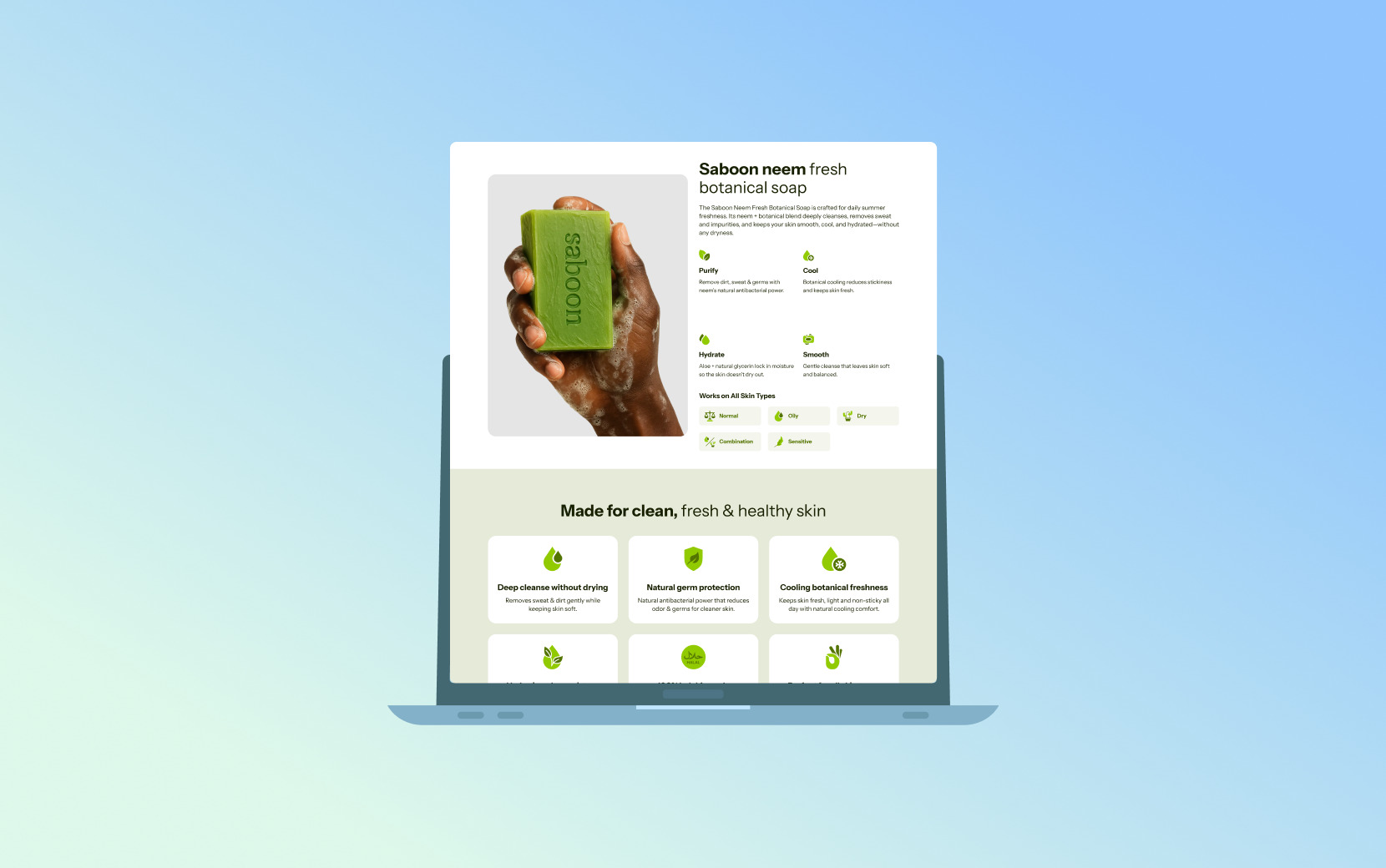
The second reason is your funnel pages. High-quality image galleries, before-and-after visuals, and short demonstration clips are among the highest-leverage elements on a product page — not because they're decorative, but because they answer the customer's core question ("Will this actually work for me?") faster than any headline can. A product that photographs well and demonstrates clearly in video gives you better raw material for every page in your funnel, from the landing page through to the post-purchase confirmation.
This is why categories like skincare tools, pet accessories, and home decor consistently outperform functionally equivalent products in less visual categories. The product itself does part of the marketing work. When you're evaluating potential products to sell, ask not just whether there's demand, but whether a customer watching a fifteen-second video would immediately understand what it does and want it. If the answer requires more than fifteen seconds, your customer acquisition cost just went up.
Get a Visually-Appealing Product Template
Product Research Process That Actually Produces Winning Products
The most reliable product research process in 2026 combines three inputs: Google Trends for volume and trajectory, social media trends for visual virality and audience signal, and sales data from marketplace best-seller lists for demand validation.
Google Trends is most useful not for identifying what's trending now but for understanding the shape of demand over time. A product with steady upward search query growth over 24 months is a more interesting candidate than one with a sharp spike and decline. The steady grower suggests a structural demand shift; the spike suggests a trend cycle you've likely already missed.
Social media trends — primarily TikTok and Instagram — tell you about visual potential and audience engagement. Products that generate high engagement organically on these platforms will be easier and cheaper to advertise. If you can't find organic content about a product performing well, advertising into that product category is going to be expensive.
Marketplace bestseller lists — Amazon, eBay, Etsy — provide demand validation at scale. If a product has multiple ASINs with thousands of reviews, market demand is confirmed. The dropshipping question then becomes: "Can you find a supplier relationship and positioning that creates profitable opportunities in that category without directly competing with established marketplace sellers?"
The intersection of these three signals — consistent search growth, social media engagement, and confirmed marketplace demand — is where the strongest product opportunities for a dropshipping business sit in 2026.
FAQs about Profitable Products for Dropshipping
How do you price dropshipping products?
Start with your real landed cost — product cost plus shipping costs plus transaction fees plus import duty on overseas-sourced goods plus an estimated return rate buffer — then work backward from a target margin, not forward from what feels competitive. A common mistake is pricing against competitors before knowing your own costs, which produces margins that look fine until a bad month of returns wipes them out.
For most dropshipping categories, a 2.5x–3x markup on landed cost is the floor for a viable business once paid acquisition costs are factored in. High-perceived-value categories like skincare tools and pet accessories can support 4x–5x without resistance. Always price to maintain healthy margins at your realistic average order value, not your best-case one. Note that since the end of duty-free de minimis, the "landed cost" you mark up from should already have any import duty built in — otherwise your real markup is lower than it looks.
How do you find trending products for dropshipping?
The most reliable method combines three sources rather than relying on any one. Google Trends shows you the shape of demand over time — a product with 24 months of steady search query growth is more valuable than a spike that peaked last quarter. Social media trends, particularly TikTok and Instagram Reels, surface products with visual potential and organic audience engagement before they saturate paid channels. Marketplace bestseller lists on Amazon and eBay confirm that real purchasing demand exists beyond curiosity.
The intersection of all three — rising search volume, strong social engagement, and confirmed sales data — is where the most profitable opportunities for a dropshipping business tend to surface. Use Exploding Topics, Minea, and AutoDS to accelerate this process, but the three-source logic holds regardless of which tools you use.
Table of contents
Boost your eCommerce
sales today

24/7 support
No credit card required
Cancel anytime
24/7 support
No credit card required
Cancel anytime
